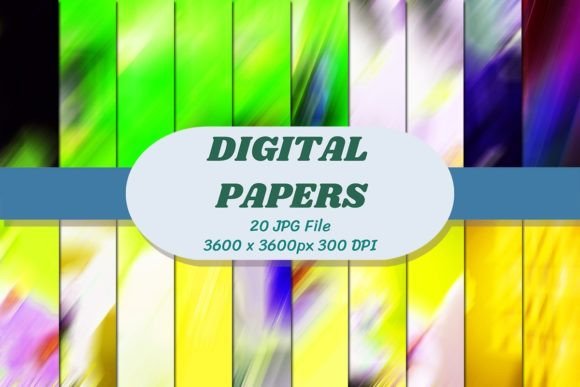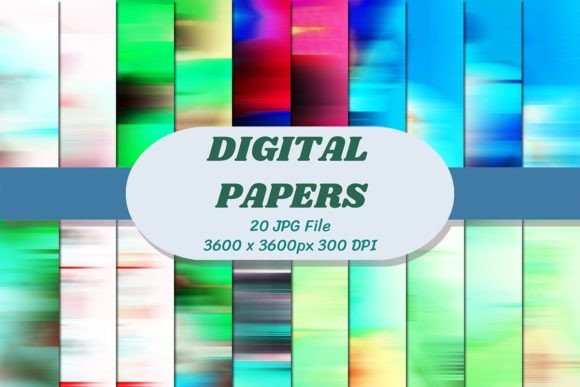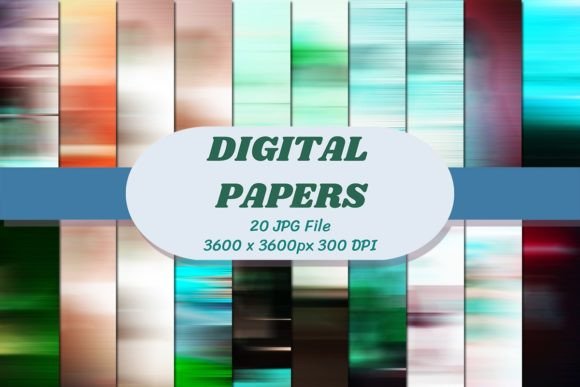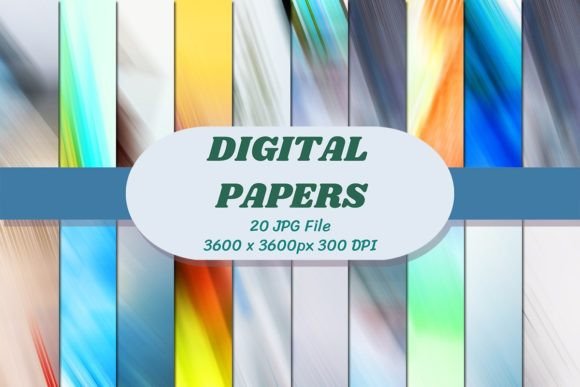
Abstract 215 Background Digital Papers: A Strategic Asset for Modern Creative Workflows
In the rapidly evolving landscape of digital content creation and small business management, the foundation of any successful project often lies in the quality of its underlying assets. Abstract 215 Background Digital Papers represents more than just a collection of visual textures; it serves as a critical component in the operational workflow of professionals ranging from graphic designers and sublimation artists to social media managers and product entrepreneurs. This specific design suite is engineered to bridge the gap between conceptual planning and final execution, offering a versatile toolkit that adapts seamlessly to diverse industries and creative demands.
The utility of these high-resolution files extends far beyond simple decoration. When integrated correctly into a production pipeline, they enhance brand consistency, streamline the design process, and elevate the perceived value of physical and digital products. Whether you are preparing a batch of custom merchandise or drafting a corporate presentation, understanding how to leverage Abstract 215 Background Digital Papers effectively can significantly impact the efficiency and outcome of your work.
Defining the Asset Within the Production Pipeline
To understand where this resource fits, one must first view the creative process not as a linear event but as a complex ecosystem involving preparation, execution, and delivery. Abstract 215 Background Digital Papers occupies a unique space in this ecosystem as a foundational layer. It provides the necessary context and visual depth that allows other elements—such as logos, typography, and product imagery—to stand out without competing for attention.
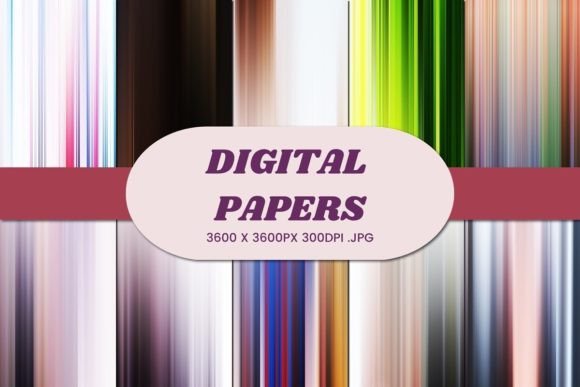
The technical specifications of this asset package are designed to meet rigorous professional standards. The inclusion of ten distinct JPG files, each rendered at a massive 3600x3600 pixel resolution with a 300 DPI print quality, ensures compatibility across a wide spectrum of applications. This level of detail is non-negotiable for businesses aiming to maintain high-quality control over their output. In a workflow where scaling images down can lead to pixelation or blurriness, starting with a source file of this magnitude guarantees that the final product remains crisp, whether it appears on a mobile screen or a large-format banner.
Pre-Production Planning and Brand Consistency
Before a single design element is placed onto a canvas, the strategic phase of pre-production begins. During this stage, teams define the aesthetic direction and ensure that all future assets align with established brand guidelines. Abstract 215 Background Digital Papers acts as a stabilizing force during this planning phase. By selecting a specific background texture early in the process, creators can establish a cohesive visual language that will be carried through various touchpoints.
For instance, a marketing team launching a new product line might use these backgrounds to create mood boards before moving to detailed design software. This allows stakeholders to visualize the final look and feel without committing to expensive physical prototypes. The abstract nature of the designs offers flexibility, allowing them to serve as neutral backdrops for bold colors or complementary textures for minimalist layouts. This adaptability reduces the time spent searching for suitable stock imagery, thereby accelerating the decision-making process.
Furthermore, using a consistent set of backgrounds helps in maintaining brand identity across different platforms. When a business uses the same texture family for their website headers, social media posts, and printed materials, it creates a subconscious recognition pattern for the consumer. This consistency is a key factor in building trust and professionalism, which are essential goals for any entrepreneur or agency looking to scale their operations.
Execution Strategies Across Diverse Media
The true power of Abstract 215 Background Digital Papers is realized during the execution phase, where theoretical plans are transformed into tangible results. The versatility of the included 10 JPG files makes them applicable to an extensive array of use cases, each requiring a slightly different approach to implementation.
- Sublimation and Physical Merchandise: For entrepreneurs specializing in print-on-demand services, these backgrounds are indispensable. They can be utilized for t-shirt wraps, 3D sublimation tumbler wraps, and mug designs. The high resolution ensures that when the image is wrapped around curved surfaces like tumblers or mugs, the texture remains sharp and free from distortion. This is crucial for maintaining the premium feel of the final product.
- Digital Product Creation: Educators, bloggers, and freelancers often sell digital planners, scrapbooks, or printable invitations. Using these backgrounds adds a layer of sophistication to these digital downloads. A wedding card designer, for example, can use a subtle abstract texture to add depth to an invitation without overwhelming the text, ensuring readability while maintaining elegance.
- Branding and Packaging: Small business owners looking to differentiate their product packaging can integrate these textures into their box designs or labels. The 300 DPI specification is particularly important here, as print quality directly influences customer perception of product value. A blurry logo on a glossy box suggests low quality, whereas a crisp design backed by a high-fidelity texture signals excellence.
- Social Media and Web Design: Content creators can utilize these files as wallpapers, post backgrounds, or header images. The square format (3600x3600) is perfectly suited for Instagram and other square-centric platforms, eliminating the need for cropping or resizing that often compromises image integrity.
In each of these scenarios, the workflow involves importing the JPG file into design software such as Adobe Photoshop, Illustrator, or Canva. Because the files are provided in a standard JPG format, they offer broad compatibility with almost any operating system or application, reducing technical friction and allowing the creator to focus on the artistic and strategic aspects of the project.
Integration with Existing Tools and Resources
Successful implementation requires that new assets integrate smoothly with existing tools and workflows. Abstract 215 Background Digital Papers is designed to be interoperable with the most common design ecosystems. Whether you are working with vector-based illustration tools or raster-based photo editors, the high-bit-depth JPGs provide a solid base layer that supports advanced editing techniques.
When organizing these files within a digital asset management system, it is advisable to categorize them by color palette or texture density. This organizational strategy enhances efficiency, allowing team members to quickly locate the right background for a specific task without sifting through disorganized folders. For collaborative projects, having a standardized library of backgrounds ensures that all team members are working from the same visual baseline, which minimizes errors and miscommunication.
Additionally, these backgrounds interact well with other resources such as fonts, icons, and photographic elements. They can be used to mask images, create overlays, or generate gradients that blend seamlessly with the overall composition. This flexibility means that the asset is not limited to a single function but can evolve alongside the needs of the project. As a business grows and its visual requirements become more complex, the ability to reuse and repurpose these backgrounds becomes a significant cost-saving measure.
Quality Control and Long-Term Viability
In the realm of professional design, quality control is paramount. The decision to invest in high-resolution assets like Abstract 215 Background Digital Papers is a proactive step toward ensuring long-term viability of creative outputs. Unlike lower-resolution alternatives that may look acceptable on a screen but fail under close inspection or when printed, these 300 DPI files are built to withstand scrutiny.
This focus on quality extends to the longevity of the files themselves. As trends shift and platforms update their requirements, having a robust library of high-quality assets ensures that old designs can be easily updated or rebranded without needing to start from scratch. A business owner can take a design created two years ago, swap the background for a fresh variation from the same series, and instantly modernize the look without compromising the structural integrity of the original layout.
Moreover, the abstract nature of the designs avoids the risk of dating the content too quickly. While specific patterns or themes might fall out of favor, abstract textures tend to remain timeless, providing a reliable resource for ongoing projects. This timeless quality makes them an excellent investment for agencies and freelancers who need to deliver consistent, high-quality work over extended periods.
Maximizing Efficiency Through Strategic Use
Ultimately, the goal of integrating Abstract 215 Background Digital Papers into your workflow is to maximize efficiency while minimizing compromise. By utilizing these assets, professionals can reduce the time spent on sourcing images, testing resolutions, and fixing formatting errors. This reclaimed time can be redirected toward higher-value activities such as client communication, strategy development, and creative innovation.
The practical application of these backgrounds demonstrates a commitment to excellence. Whether you are producing a single custom mug for a local event or managing a full-scale e-commerce store with hundreds of SKUs, the consistency and quality provided by this digital paper suite support a streamlined operation. It removes the guesswork from the design process, allowing creators to focus on what truly matters: delivering value to their audience and achieving their business objectives.
As you move forward with your next project, consider how a high-quality background can transform the entire narrative of your design. From the initial concept sketch to the final printed product, the choice of foundation sets the tone for everything that follows. With Abstract 215 Background Digital Papers, you have a versatile, high-performance tool ready to support your vision across every medium imaginable.