Abstract 118 Background Digital Papers: A Strategic Asset for Modern Creative Workflows
In the landscape of digital production, where speed and consistency are paramount, the foundation of any successful project often lies in the preparation phase. Abstract 118 Background Digital Papers is not merely a collection of images; it is a versatile resource designed to streamline the creative process for professionals, entrepreneurs, and hobbyists alike. By providing high-resolution assets that serve as the bedrock for diverse applications, this design pack allows users to bypass the time-consuming task of creating textures from scratch, enabling a shift in focus toward execution and refinement.
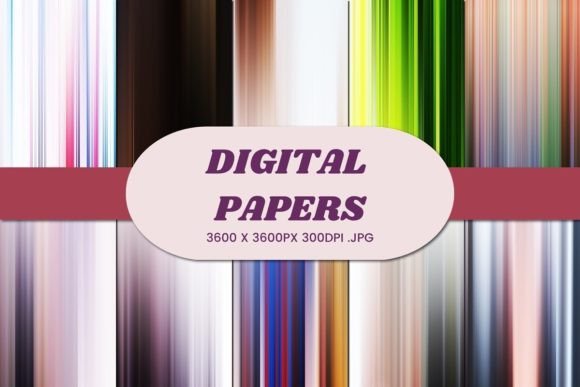
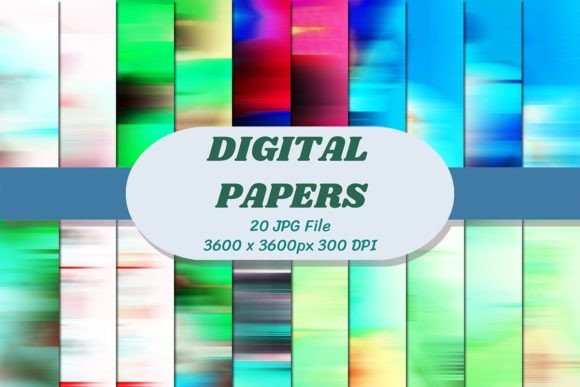
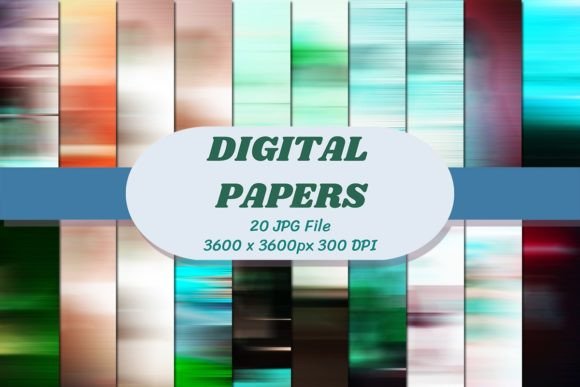
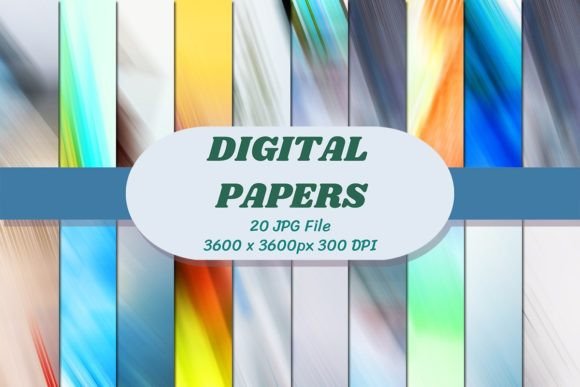
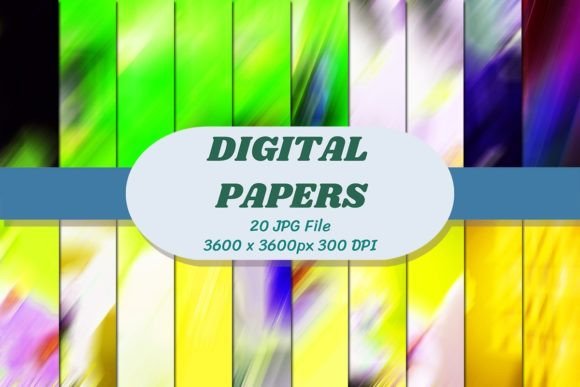
The core value of this asset lies in its adaptability. Whether you are managing a small business operation, producing physical merchandise, or crafting digital content for social media, the need for high-quality visual backgrounds is constant. This specific collection addresses that need by offering a cohesive set of 20 JPG files, each sized at an impressive 3600x3600 pixels. This resolution ensures that the background remains crisp and clear regardless of the output medium, bridging the gap between web-based graphics and large-format printing without the need for complex upscaling or quality degradation.
Integration into Pre-Production Planning
Effective project management begins long before the final product is rendered. When planning a new line of merchandise or a marketing campaign, the selection of visual themes is a critical decision point. Integrating Abstract 118 Background Digital Papers into the pre-production stage allows teams to establish a consistent aesthetic identity early on. Instead of sourcing disparate textures that might clash in tone or resolution, designers can utilize this unified pack to create mood boards and style guides rapidly.
This approach significantly reduces the friction in the initial brainstorming phase. For instance, a branding agency pitching a rebrand for a lifestyle company can immediately visualize how different abstract patterns interact with typography and logos. By having these backgrounds ready, stakeholders can make informed decisions about color palettes and visual direction much faster than if they were custom-designing every element. This efficiency translates directly into cost savings and quicker turnaround times for client approvals.
Furthermore, the preparatory use of these files extends to inventory management for print-on-demand businesses. Before listing products, sellers can generate mockups using these backgrounds to test market appeal. If a particular abstract texture resonates well with the target audience during the planning stage, it can be prioritized for actual production runs. This data-driven approach to design ensures that resources are allocated to projects with the highest potential for success.
Streamlining Production and Implementation
Once the planning phase is complete, the workflow shifts to active production. Here, the versatility of Abstract 118 Background Digital Papers becomes most apparent. The files are compatible with a wide array of software and hardware ecosystems, making them suitable for both digital-first creators and those focused on physical goods. The high resolution of 3600x3600 pixels is particularly crucial during the implementation stage, ensuring that details remain sharp when scaled for various outputs.
For professionals in the apparel industry, these backgrounds are ideal for sublimation printing. The smooth gradients and intricate details of abstract designs transfer beautifully onto fabrics, enhancing the visual depth of t-shirts, blankets, and pillows. When preparing a file for a 3D sublimation tumbler wrap, the square aspect ratio provides ample flexibility to map the design around the curvature of the object without losing critical elements. Similarly, for 3D mug wraps, the texture serves as a perfect canvas that complements the cylindrical shape of the product.
In the realm of digital content creation, these papers function as powerful layering tools. Graphic designers working on book covers or product packaging can place these backgrounds behind primary imagery to add context and atmosphere. The files act as a neutral yet sophisticated base that does not compete with the main subject but rather enhances it. This is especially useful for social media managers who need to produce a week's worth of content quickly. By swapping out the background while keeping the central graphic consistent, they can maintain brand recognition while refreshing the visual narrative.
Specific Applications Across Industries
- Merchandise Creation: Utilize the textures for direct-to-garment printing on t-shirts or as backing for stickers and phone cases. The high resolution ensures that fine lines do not pixelate when printed on small surfaces.
- Event Planning: Wedding coordinators can leverage these designs for invitations and save-the-date cards. The abstract nature of the art allows it to fit various themes, from modern minimalist weddings to bohemian celebrations.
- Home Decor: Crafters can apply these designs to pillows and blankets using heat press technology. The seamless nature of many abstract patterns makes them ideal for large-scale fabric applications.
- Digital Publishing: Bloggers and publishers can use the files as featured images or section dividers. They provide a professional finish to articles without requiring extensive graphic design skills.
Quality Control and Technical Considerations
While the asset is robust, understanding its technical specifications is vital for maintaining quality control throughout the workflow. The 3600x3600 pixel dimension is a significant advantage, but it requires appropriate handling within design software. Users should ensure their workspace is configured to handle large file sizes without lag, which can disrupt the creative flow. It is also essential to check the color profile of the files; typically, these assets are provided in RGB for screen use and CMYK conversion may be necessary for commercial printing to avoid color shifts.
Consistency is another factor to consider when integrating multiple files from the pack. Since the collection includes 20 distinct variations, mixing them within a single project requires a deliberate strategy. Designers should curate the selection based on the specific requirements of the project rather than using them randomly. For example, a cohesive product line should utilize backgrounds with similar tonal qualities to reinforce brand unity. This attention to detail elevates the perceived value of the final product.
Organization plays a pivotal role in efficient implementation. Before starting a project, it is advisable to sort the 20 JPG files into logical folders based on color temperature, complexity, or intended use. This simple step saves valuable time during the editing process, allowing the creator to focus on the creative application rather than searching for the right asset. Proper file naming conventions further enhance this organization, making it easier to retrieve specific backgrounds for future projects or updates.
Long-Term Utility and Adaptability
The true measure of a digital asset is its longevity and adaptability over time. Abstract 118 Background Digital Papers offers enduring value because abstract art transcends fleeting trends. Unlike photorealistic images that may date quickly, abstract textures provide a timeless backdrop that remains relevant across seasons and years. This makes them an excellent investment for businesses looking to build a library of evergreen content.
As workflows evolve, the ability to repurpose assets becomes increasingly important. A background used for a social media post today can easily be adapted for a website header next month or a printed brochure the following year. The scalability of the 3600x3600 px files supports this fluidity, allowing creators to stretch, crop, or manipulate the images without compromising integrity. This flexibility supports agile methodologies where rapid iteration and adaptation are key to success.
Moreover, the inclusion of these files in a broader toolkit fosters creativity among team members. When a standard set of high-quality resources is available, freelancers and employees feel empowered to experiment with new ideas. They are less constrained by the limitations of low-resolution stock photos and more encouraged to push the boundaries of their designs. This cultural shift towards utilizing premium assets often results in higher quality outputs and increased customer satisfaction.
Maximizing Efficiency Through Strategic Use
To fully realize the benefits of this digital paper pack, users must adopt a strategic mindset regarding its deployment. It is not enough to simply download and store the files; they must be actively integrated into daily routines. Setting up templates in design software that automatically pull from this library can drastically reduce setup time for recurring tasks. For example, e-commerce store owners can create a master template for product listings where the background is easily swappable, allowing for rapid catalog expansion.
Collaboration is another area where these assets shine. In remote work environments, sharing a standardized set of backgrounds ensures that all team members are working with the same visual language. This eliminates confusion and ensures that the final deliverables meet the agreed-upon standards. Whether it is a team of marketers creating ad campaigns or a group of educators designing lesson plans, the shared resource acts as a common ground for alignment.
Ultimately, the goal of using Abstract 118 Background Digital Papers is to remove barriers to entry and execution. By providing a reliable, high-quality foundation, the pack allows creators to concentrate on what truly matters: the message, the product, and the connection with the audience. In a world saturated with visual noise, having a tool that simplifies the process while elevating the result is an invaluable asset for anyone serious about their craft or business.