Abstract 202 Background Digital Papers: A Comprehensive Evaluation for Print and Design Projects
In the rapidly evolving landscape of digital design and print-on-demand businesses, finding high-quality assets that balance aesthetic appeal with technical precision is a constant challenge. Abstract 202 Background Digital Papers has emerged as a versatile resource for creators seeking unique textures and patterns without the overhead of custom illustration. This guide evaluates the utility, specifications, and ideal use cases for this specific collection to help designers and business owners determine if it aligns with their project requirements.
Understanding the Product Specifications
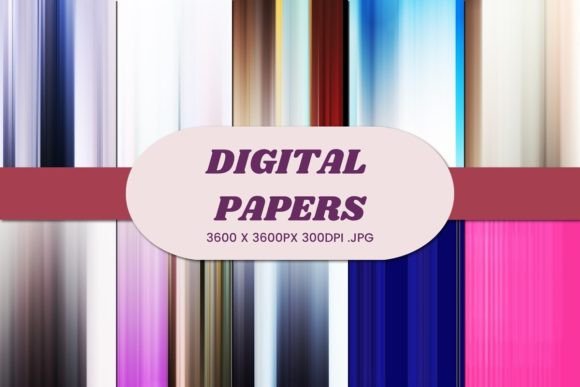
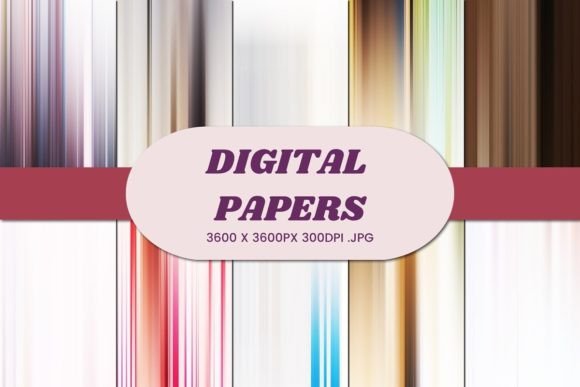
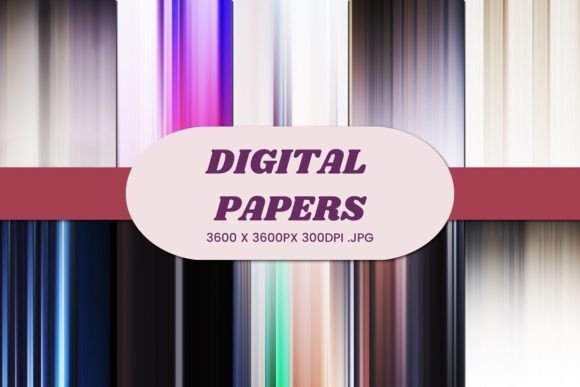
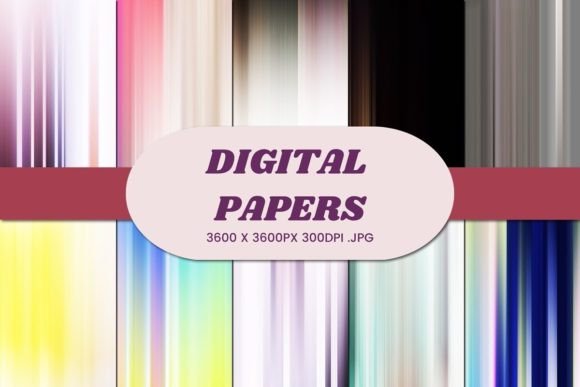
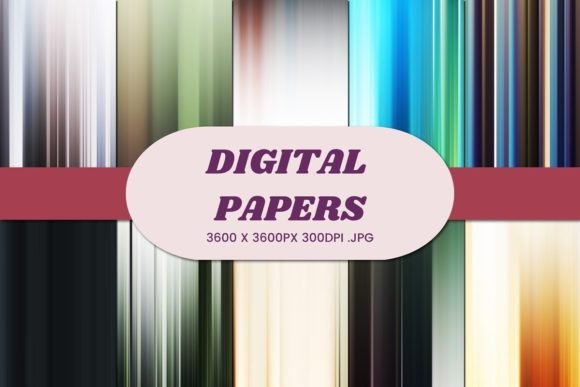
At its core, Abstract 202 Background Digital Papers is a curated set of 10 high-resolution image files designed for immediate application in various creative workflows. The product distinguishes itself through its technical rigor, offering a resolution of 3600x3600 pixels at 300 DPI. In the context of professional printing, 300 DPI is the industry standard for ensuring sharpness and clarity, preventing pixelation when designs are scaled up or applied to physical substrates.
The format consists of JPG files, which ensures broad compatibility with most design software, from Adobe Photoshop and Illustrator to Canva and GIMP. While vector formats offer scalability, the raster nature of these high-resolution JPGs allows for complex, photorealistic abstract gradients and textures that might be difficult to replicate with simple geometric vectors. The square aspect ratio (3600x3600) provides flexibility, allowing users to crop images into any dimension required for specific projects without losing quality.
Versatility Across Creative Applications
The primary value proposition of Abstract 202 Background Digital Papers lies in its extensive range of applications. The collection is not limited to a single niche but serves as a foundational element for a wide array of commercial and personal projects.
- Print-on-Demand Merchandise: The high resolution makes these backgrounds ideal for sublimation printing on T-shirts, mugs, blankets, and pillows. They can also serve as the base layer for creating unique textures on book covers and phone cases.
- Physical Crafts and Packaging: For small business owners producing scrapbooks, invitations, or product packaging, these papers provide an instant professional finish. They eliminate the need to photograph physical paper textures, saving time while maintaining visual consistency.
- Digital Assets and Branding: Beyond physical goods, the files function effectively as wallpapers, social media background graphics, and logo backdrops. The abstract nature of the designs ensures they do not distract from foreground elements like text or logos.
- Specialized Sublimation Wraps: A notable feature is the suitability for 3D sublimation tumbler wraps and 3D mug wraps. The seamless texture potential of abstract backgrounds often works well when mapped onto curved surfaces, providing a fluid look that enhances the final product.
Benefits of Using Abstract 202 Backgrounds
For professionals evaluating this asset, several distinct advantages contribute to its strong market position. First is the efficiency factor. Instead of spending hours generating noise, gradients, or watercolor effects manually, a designer can apply one of these pre-rendered backgrounds immediately. This accelerates the production timeline for bulk orders, such as wedding invitations or seasonal merchandise.
Secondly, the consistency of quality across all ten files ensures a cohesive brand identity. When a business uses a mix of random internet images, the varying resolutions and color profiles can create a disjointed look. With Abstract 202 Background Digital Papers, every file shares the same technical specifications, guaranteeing that a business card looks as premium as the matching pillow cover.
Furthermore, the abstract aesthetic offers a modern, sophisticated look that appeals to a broad demographic. Unlike specific illustrative themes that may date quickly or limit audience appeal, abstract patterns remain timeless and adaptable to current design trends, whether that trend is minimalism or maximalism.
Tradeoffs and Considerations
While the product offers significant benefits, a balanced evaluation requires acknowledging potential limitations. The most critical consideration is the raster format limitation. Because the files are JPGs, they cannot be infinitely scaled without loss of quality once the 3600x3600 limit is reached. If a project requires massive scale, such as a building-sized billboard, the user must ensure the original resolution is sufficient or consider upsampling tools, though results may vary.
Another tradeoff involves customization constraints. Unlike a vector file where every shape and color can be manipulated individually, editing a JPG requires working with layers, blending modes, or masking. While this is a standard workflow for many designers, it does require a higher level of proficiency in image editing software compared to manipulating vector shapes.
Finally, there is the issue of uniqueness. As abstract digital papers are popular commodities, there is a chance that other designers or competitors may utilize similar styles. While the specific composition of Abstract 202 may be unique, the general "abstract" style is ubiquitous in the marketplace, requiring careful integration into the final design to avoid a generic appearance.
Situational Fit: When to Choose This Asset
Abstract 202 Background Digital Papers is a strong fit for businesses launching new product lines who need quick turnaround times. It is particularly recommended for:
- Sublimation Artists: Those focusing on tumblers, mugs, and textiles who need durable, high-DPI textures that withstand the heat transfer process.
- Stationery Designers: Creators of wedding cards, invitations, and printable planners who require elegant, non-distracting backgrounds.
- E-commerce Sellers: Individuals selling digital products or physical goods who need consistent branding across packaging and marketing materials.
When to Consider Alternatives
There are scenarios where this specific product may not be the optimal choice. If a project demands infinite scalability for large-format outdoor advertising, a vector-based solution would be more appropriate. Similarly, if a client requires a highly specific, literal illustration (such as a detailed botanical drawing or a character sketch), an abstract background collection will not meet those needs.
Additionally, for users working exclusively in web-only environments where file size is the primary concern over print quality, these 300 DPI files might be overkill. Web-optimized PNGs or SVGs would reduce load times significantly without sacrificing visual impact for screen viewing.
Final Decision-Making Insights
Selecting the right digital asset is a strategic decision that impacts both the quality of the final output and the efficiency of the production workflow. Abstract 202 Background Digital Papers stands out as a robust tool for those prioritizing print-ready quality and versatility. Its 3600x3600 resolution at 300 DPI ensures that the transition from digital file to physical product is seamless.
For designers and business owners looking to expand their offerings into merchandise, stationery, or digital decor, this collection provides a reliable foundation. By understanding the strengths of the high-resolution raster format and recognizing the limitations regarding infinite scaling, users can make informed decisions. Ultimately, if the goal is to produce high-quality, tangible goods with a modern aesthetic, this product represents a practical and effective investment.