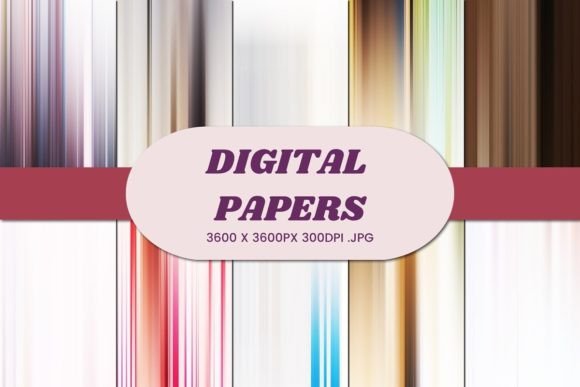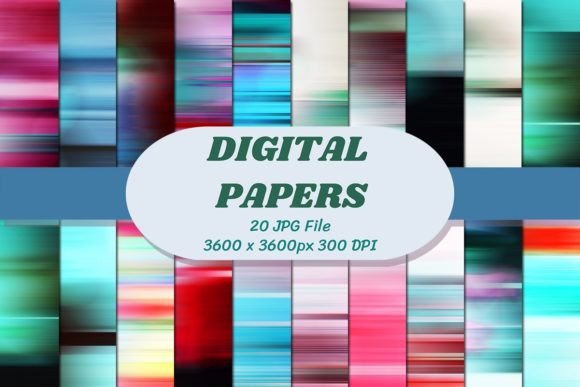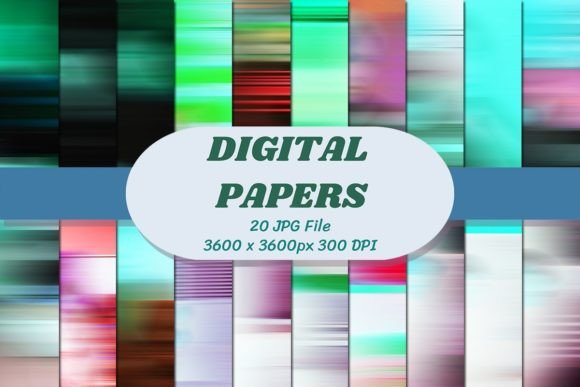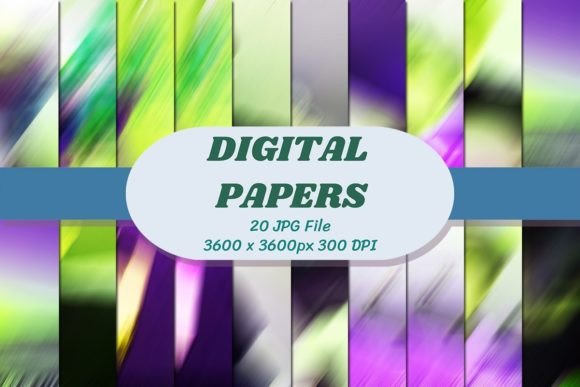
Abstract 197 Background Digital Papers: A Practical Evaluation for Modern Creators
In the competitive landscape of digital design and small business branding, the quality of background assets often dictates the professional polish of the final output. Abstract 197 Background Digital Papers represents a specific collection of high-resolution textures designed to serve as foundational elements for a wide array of creative projects. Unlike generic stock images that may lack cohesion or resolution, this set is engineered to provide consistency across diverse applications, from physical merchandise to digital marketing materials.
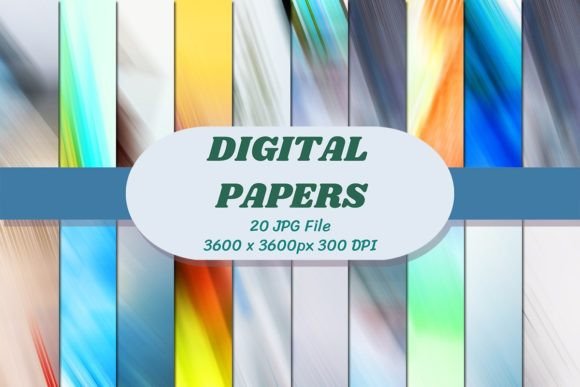
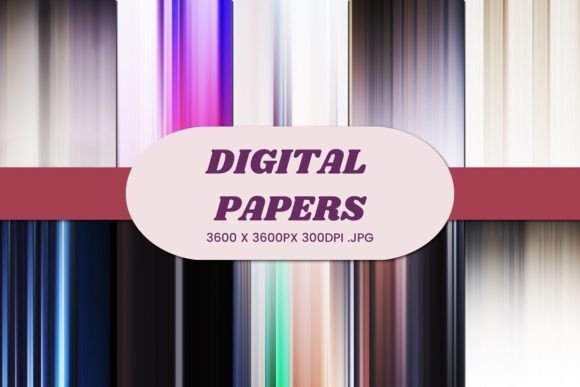
The core value proposition of this resource lies in its versatility. It is not merely a single image but a curated suite of ten distinct files, each sized at 3600x3600 pixels with a print-ready density of 300 DPI. For professionals who frequently switch between screen-based design and large-format printing, these specifications are critical. The transition from a digital mockup to a tangible product like a pillow or a tumbler wrap requires a level of clarity that lower-resolution assets simply cannot support without appearing pixelated or blurry upon delivery.
Technical Specifications and Print Quality
When evaluating any digital asset intended for commercial use, the technical metadata is the first indicator of reliability. Abstract 197 Background Digital Papers adheres to industry standards for high-quality reproduction. The 300 DPI (dots per inch) rating ensures that when these backgrounds are scaled down for web use or scaled up for physical production, the integrity of the texture remains intact. This is particularly important for sublimation processes, where the ink transfers directly onto materials under heat and pressure. If the source file lacks sufficient detail, the resulting product will look muddy rather than crisp.
The inclusion of ten separate JPG files offers a strategic advantage over purchasing a single, monochromatic texture pack. In a real-world workflow, a designer might need a subtle, muted abstract pattern for a corporate business card and a more vibrant, textured variation for a children's book cover. Having a variety within a single download allows for immediate application without the need to search external libraries or compromise on style. The consistent sizing across all ten files simplifies the workflow, allowing for batch processing in software like Adobe Photoshop or Illustrator without constant resizing adjustments.
Applications Across Physical and Digital Media
The utility of Abstract 197 Background Digital Papers extends far beyond simple desktop wallpapers. Its primary strength is its adaptability to both two-dimensional and three-dimensional surfaces. For entrepreneurs operating in the realm of print-on-demand, the ability to utilize the same background asset for a mug wrap, a t-shirt design, and a product packaging label is a significant efficiency gain. The abstract nature of the patterns ensures they do not clash with foreground elements, such as logos or text, making them ideal for layering.
- Merchandise and Apparel: When applied to T-shirts or blankets, the high resolution prevents the "blocky" artifacts common in cheaper digital papers. The texture adds depth, transforming a flat graphic into something that feels tactile even through a screen.
- Sublimation and 3D Wraps: For items like tumblers or mugs, the background must conform to curved surfaces. These designs provide a seamless backdrop that enhances the visual appeal of 3D sublimation wraps, ensuring the final product looks premium rather than mass-produced.
- Digital Assets and Social Media: Marketers can leverage these backgrounds for social media posts, email headers, or blog featured images. The 3600x3600 dimension covers square formats perfectly, while the high resolution allows for cropping without losing quality.
- Event Planning and Stationery: Wedding invitations, event programs, and thank-you cards benefit from the sophisticated aesthetic of abstract textures. They provide a sense of elegance and customization that plain white paper cannot achieve.
Evaluating Usability and Workflow Integration
From a practical standpoint, the usability of Abstract 197 Background Digital Papers depends heavily on the user's existing toolkit. Since the files are provided in JPG format, they are universally compatible with virtually all design software, including free alternatives like Canva, GIMP, or Affinity Photo. This accessibility lowers the barrier to entry for hobbyists and freelancers who may not have access to expensive proprietary file types.
However, users should be aware of the limitations inherent in raster graphics. While 300 DPI is excellent for most prints, vector-based scaling is not possible. If a project requires extreme magnification beyond the original dimensions, the image will eventually lose sharpness. Therefore, it is best suited for standard print sizes and digital displays. For designers creating complex illustrations, these backgrounds serve best as layers beneath vector art or typography, rather than standalone focal points.
The consistency of the style within the set is another factor worth noting. Because all ten images share a cohesive "abstract" theme, they can be mixed and matched within a single brand identity system. A small business owner could use one texture for their logo background, another for their product tags, and a third for their website header, creating a unified visual language without needing to commission custom artwork for every touchpoint.
Ideal Use Cases and Target Audience
This resource is particularly well-suited for small business owners and solopreneurs who wear multiple hats. For a freelancer managing client projects ranging from social media graphics to physical product prototypes, having a reliable library of high-quality backgrounds saves hours of searching and testing. It eliminates the risk of using inconsistent textures that dilute brand perception.
Similarly, educators and content creators can find value in these assets for producing educational materials, worksheets, or presentation slides. The abstract nature avoids the distraction of specific imagery, allowing the audience to focus on the content while maintaining a visually engaging environment.
For serious hobbyists involved in scrapbooking or crafting, the ability to print these designs at home or at a local shop opens up new possibilities for DIY gifts and decorations. The high resolution ensures that even if printed on larger formats like canvas or fabric, the details remain sharp.
Strategic Considerations for Implementation
To maximize the effectiveness of Abstract 197 Background Digital Papers, it is advisable to treat them as part of a broader design strategy rather than a quick fix. Users should consider color theory when selecting which of the ten files to use. A warm-toned abstract background might complement a food blog, while a cooler, geometric abstraction might suit a tech startup.
Additionally, testing the files before committing to a full production run is essential. Printing a sample page on the intended material (e.g., the specific type of paper or fabric) can reveal how the colors translate physically versus digitally. This step ensures that the final product meets the creator's expectations regarding color fidelity and texture depth.
While the set does not include editable vector layers, the simplicity of the JPG format facilitates easy manipulation. Designers can adjust brightness, contrast, or apply filters to match specific project requirements. This flexibility, combined with the robust resolution, makes the package a durable asset that can be reused across multiple campaigns and years.
Conclusion on Value and Longevity
In summary, Abstract 197 Background Digital Papers offers a solid foundation for professionals seeking high-quality, versatile background textures. Its adherence to high-resolution standards and broad compatibility with various print and digital mediums make it a practical investment for anyone looking to elevate the visual quality of their work. Whether used for enhancing a personal portfolio, supporting a growing e-commerce store, or creating unique handmade goods, the set provides the necessary tools to execute designs with confidence and precision.
By prioritizing quality and usability, this resource addresses the common pain points of inconsistent image quality and limited design options. For those willing to integrate these assets thoughtfully into their workflow, the result is a more polished, professional, and cohesive output that stands out in a crowded marketplace.