Abstract 167 Background Digital Papers: A Practical Evaluation for Modern Creators
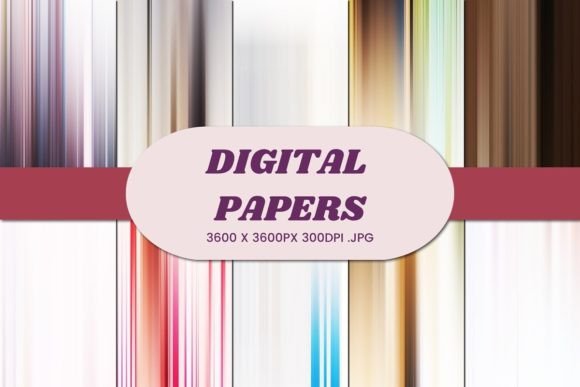
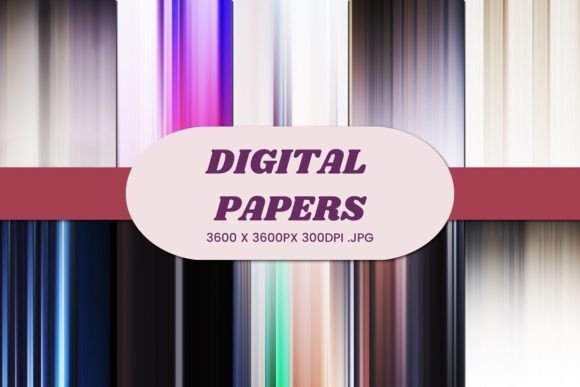
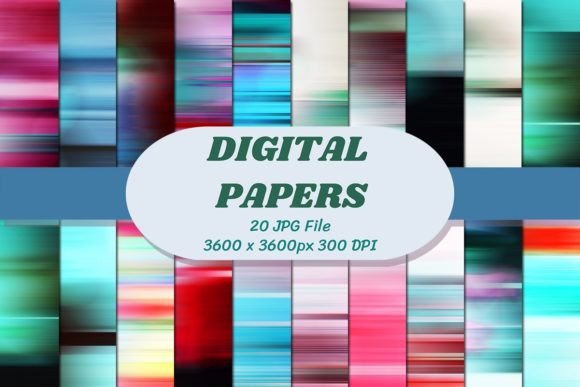
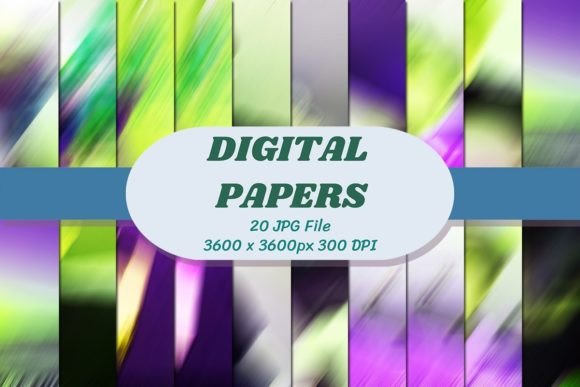
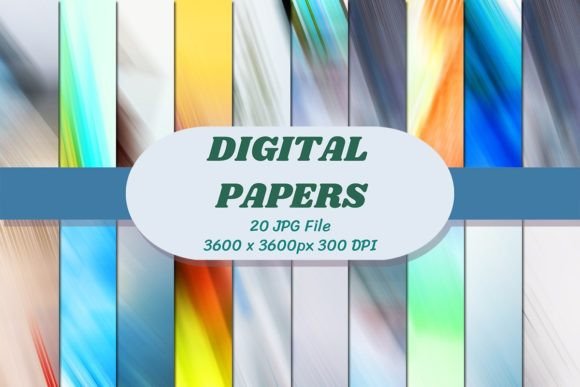
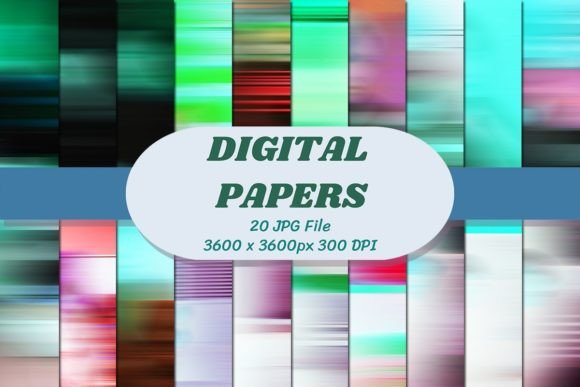
In the current landscape of digital design and small business entrepreneurship, finding high-quality background assets that bridge the gap between aesthetic appeal and technical precision is a constant challenge. Abstract 167 Background Digital Papers presents itself as a comprehensive resource designed to address this specific need. Rather than offering a single image, this collection functions as a versatile toolkit containing 20 distinct JPG files, each rendered at a substantial resolution of 3600x3600 pixels. For professionals ranging from freelance graphic designers to e-commerce store owners, the value proposition lies not just in the visual style but in the sheer utility and scalability of the files.
The primary strength of this asset pack is its adaptability. The abstract nature of the designs ensures they do not compete with foreground content but rather enhance it. Whether the goal is to create a subtle texture for a website or a bold backdrop for a printed product, these papers provide a neutral yet sophisticated foundation. This flexibility is crucial for creators who manage multiple projects simultaneously and cannot afford to waste time searching for different textures for every new client request.
Technical Specifications and Visual Quality
When evaluating digital assets, file size and resolution are often the first metrics considered. The inclusion of 20 high-resolution JPG files, each measuring 3600x3600 pixels, indicates a commitment to quality that exceeds standard web graphics. This resolution allows for significant cropping without losing detail, which is particularly important when adapting a single design for various formats. For instance, a creator can utilize one section of an abstract pattern for a social media post while using the full image for a large-format print job.
The use of JPG format suggests a focus on broad compatibility. While some advanced workflows might prefer PNG for transparency, the standard JPG is universally supported by almost all printing software, design applications, and e-commerce platforms. This reduces friction in the workflow, allowing users to import the files directly into their preferred tools without needing conversion steps. The consistency in pixel dimensions across all 20 files also simplifies the organization process, ensuring that templates remain uniform throughout a project.
Diverse Applications Across Industries
The versatility of Abstract 167 Background Digital Papers extends far beyond simple desktop wallpaper creation. The specifications highlight a wide array of potential use cases, reflecting the diverse needs of modern creators. One of the most prominent applications mentioned is sublimation printing. In the realm of custom merchandise, creating a seamless wrap for items like tumblers or mugs requires images that can handle curvature and distortion without visible seams. The high resolution of these files makes them ideal for 3D sublimation tumbler wraps and 3D mug wraps, where the image must maintain clarity even when stretched over curved surfaces.
For apparel designers, these backgrounds serve as excellent base layers for T-shirt designs. They can be used as overlays to add depth to vector illustrations or as standalone prints for fashion-forward garments. Similarly, for stationery and event planning, the textures work well for wedding cards, invitations, and scrapbooks. The abstract style avoids the dated look of literal clip art, offering a more contemporary feel that appeals to today's consumers.
Beyond physical products, the digital applications are equally robust. Bloggers and publishers can utilize these images as featured headers or background textures for blog posts, enhancing the visual hierarchy of their content. Social media managers can leverage the files to create cohesive brand aesthetics across Instagram, Pinterest, and Facebook. Even for branding purposes, such as creating logos or product packaging, these papers offer a professional finish that elevates the perceived value of a brand.
Evaluating Usability and Workflow Integration
A common pain point in creative workflows is the inconsistency of assets. Often, a designer finds a perfect texture only to discover it is too small for printing or has a color profile that clashes with their existing palette. Abstract 167 Background Digital Papers mitigates these risks through its standardized delivery. By providing a set of 20 files with identical dimensions, the user gains immediate predictability in how the assets will behave within their design software.
The abstract nature of the designs also offers a strategic advantage. Unlike specific thematic backgrounds (such as holiday motifs or seasonal patterns), abstract textures have a longer shelf life. A background created today remains relevant years later, reducing the need for frequent replacements and ensuring long-term value for the investment. This timeless quality is particularly beneficial for businesses building evergreen content libraries or brands looking to establish a consistent visual identity over time.
Furthermore, the texture aspect of these papers allows for layering techniques that add complexity to otherwise flat designs. In graphic design, layering a subtle texture over a solid color can prevent banding issues in gradients and add a tactile feel to digital images. This capability is essential for creating high-end visuals that stand out in a crowded marketplace.
Who Benefits Most from This Resource?
This collection is particularly well-suited for freelancers and small business owners who operate with limited budgets but require professional-grade output. Entrepreneurs launching private label brands, for example, can use these backgrounds for product photography backdrops or packaging mockups without the cost of hiring a photographer for studio shots. Educators and presenters may find value in using these textures for slide decks and educational materials, adding a polished look to their presentations.
Serious hobbyists involved in crafting, such as those who make stickers or custom phone cases, will appreciate the ability to produce high-quality prints at home. The 3600x3600 resolution ensures that even when printed on larger sheets, the final product retains sharpness and detail. Additionally, for marketing professionals managing campaigns across multiple channels, having a library of adaptable backgrounds saves valuable time during the content creation phase.
Potential Limitations and Considerations
While the asset pack offers significant advantages, it is important to approach it with realistic expectations. As JPG files, they do not include transparency channels. Users requiring transparent backgrounds will need to perform additional editing work to isolate elements if necessary, though the abstract nature of the designs usually means the entire image is intended to be used as a full background. Additionally, the static nature of the files means they lack the interactivity of animated assets, which might be a limitation for certain dynamic web projects.
Color accuracy is another factor to consider. While the files are high-resolution, the final appearance can vary depending on the calibration of the user's monitor and the color settings of their printer. Professional users should always proof their designs before mass production to ensure the colors match their vision. Despite these minor considerations, the overall utility of the pack remains high, provided the user understands the medium they are working with.
Final Thoughts on Value and Effectiveness
Abstract 167 Background Digital Papers stands out as a practical tool for anyone looking to streamline their creative process. It successfully balances technical specifications with artistic flexibility, making it a viable option for both novice crafters and seasoned professionals. The ability to transition seamlessly from digital screens to physical products is a rare feature that adds significant weight to its value proposition.
For businesses and individuals seeking to enhance their visual output without compromising on quality or efficiency, this resource offers a reliable solution. The variety of applications—from 3D sublimation wraps to social media graphics—demonstrates a thoughtful understanding of the diverse needs of the modern creator economy. Ultimately, the decision to incorporate these backgrounds into a workflow comes down to the specific requirements of the project, but for those needing high-quality, versatile textures, this collection delivers on its promise.